



Study in Melbourne: courses, suburbs and living costs
Melbourne brings English language study, vocational education and higher education into a city of cafés, arts and events. The useful question is how your campus, accommodation and budget fit together. This guide helps you compare everyday choices before committing to a course or a room.
By Nómadas editorial team · Updated on

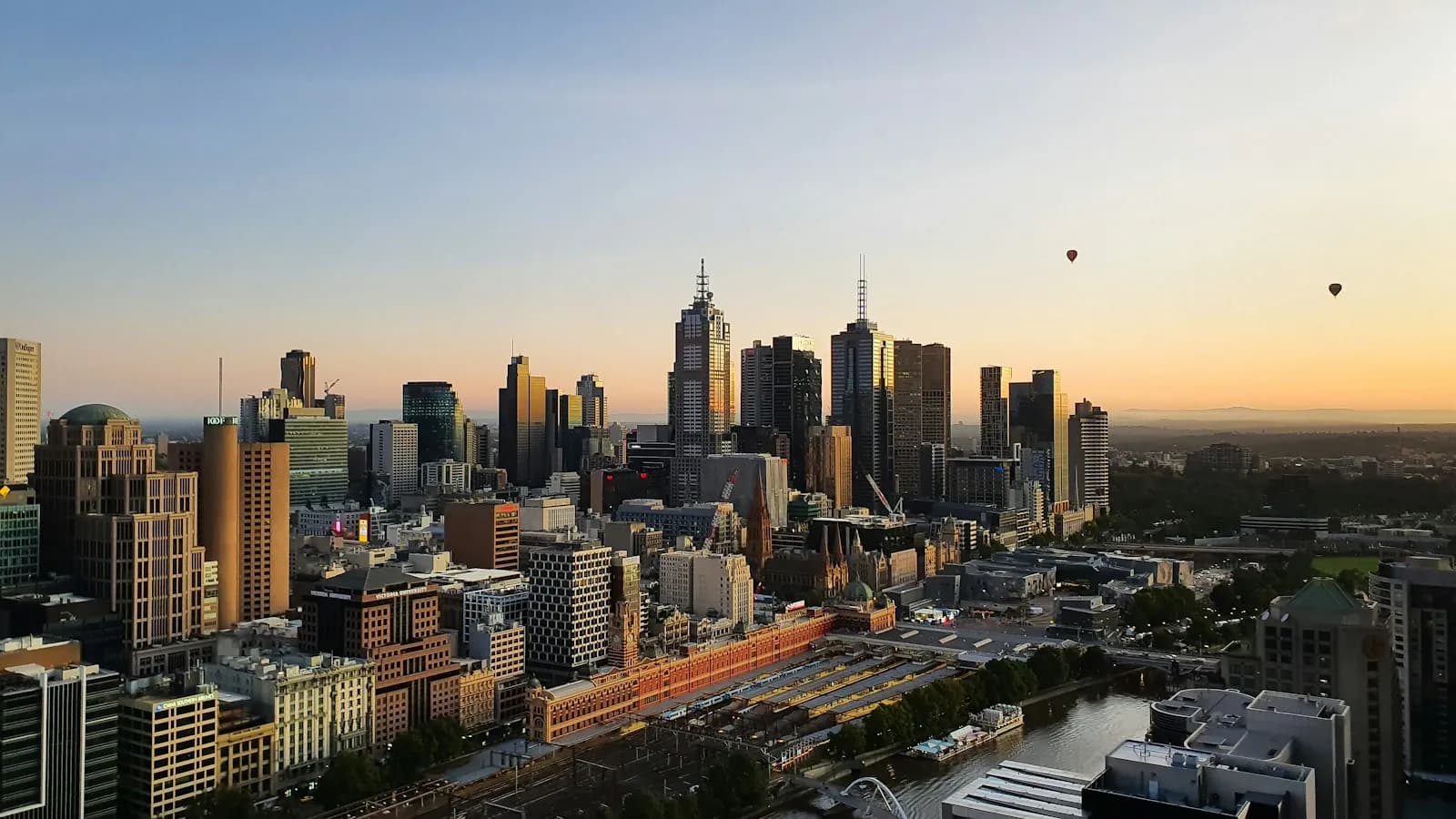
Context for your decision
What is it like to live and study in Melbourne?
A good fit if you enjoy urban life, culture and neighbourhood character. If warm weather and a daily beach routine lead your list, compare the Gold Coast too. Melbourne calls for flexible clothing and a realistic view of your daily commute.
Start with your course and campus, then compare housing and the journey you will make on a normal weekday.
Discuss settling in as well as enrolment. Julia’s story describes how her advisers helped her reorganise study between Melbourne and Adelaide. It is a personal account from 2023 that can help you frame questions about the support you need.
See how to compare study options →
Choose with clear goals
Studying in Melbourne: what to compare before choosing
For English courses, compare your learning goal, timetable and location. For vocational education and training (VET), check the units, in-person activities and entry requirements. For higher education, locate the actual faculty: a Melbourne address does not mean every campus is central.
English courses (ELICOS)
For English courses, compare your learning goal, timetable and location.
Vocational education (VET)
For vocational education and training (VET), check the units, in-person activities and entry requirements.
Higher education
For higher education, locate the actual faculty: a Melbourne address does not mean every campus is central.
| Option | What it is for | What to check |
|---|---|---|
| General English (ELICOS) | Improve everyday communication. ELICOS means intensive English courses for international students. | Placement test, teaching hours, timetable and required duration. |
| IELTS or Cambridge preparation | Prepare for a particular exam when your goal requires it. | Entry level, test dates and whether the exam fee is separate. |
| Vocational education and training (VET) | Develop skills in a professional field through certificates or diplomas. | English requirements, units, practical learning, campus and Australian Qualifications Framework (AQF) level. |
| Higher education | Pursue a degree or postgraduate qualification suited to your academic background. | Admission, academic documents, required English and total cost. |
Learn more about the differences in our guide to studying in Australia. Check the provider, course and campus in the official CRICOS register.
From idea to plan
Requirements for studying in Melbourne
Your provider sets academic and English entry requirements; the immigration authority assesses the visa. Choosing a city does not replace that assessment. Check the documents for your situation and your visa conditions before working. Nómadas can discuss study options; employment, a visa and residency are not guaranteed outcomes.
1. Define your goal and level
Decide what you want to learn and check the institution’s academic and English requirements.
2. Confirm the offer
Check the campus, CRICOS course, dates, duration and full cost before accepting and paying.
3. Prepare your documents
For a student visa, review the Confirmation of Enrolment (CoE), OSHC health insurance and evidence required for your application.
4. Check your immigration situation
Check current requirements, including Genuine Student and documents relevant to your profile. If you are already in Australia, check your visa conditions before planning another course.
Check requirements at Home Affairs: Student visa (subclass 500). Enrolment does not guarantee a visa; Home Affairs decides each application.
Plan the full cost
How much does it cost to live in Melbourne?
These planning amounts in Australian dollars (AUD) help you prepare a budget. Rent is weekly; utilities, transport, food and phone are monthly. Actual costs depend on your accommodation and routine; keep arrival and course costs separate.
Accommodation
Estimate for shared accommodation. The area, room type and rent inclusions affect the price.
Utilities
Estimate for electricity, water and internet. Confirm what rent includes to avoid counting costs twice.
Transport
Planning allowance for getting around Melbourne. Costs depend on routes, frequency and current fares; check your journeys with Transport Victoria.
Food
A limited allowance for groceries and home cooking. Adjust it to your habits and budget separately for meals out.
Phone
Reference for a mobile plan. Compare data, calls, contract terms and activation costs.
Study and arrival
Enrolment, materials and fees depend on the course, school and duration. Add OSHC, visa, flights, initial accommodation and bond; request the total in writing.
To adjust the items to your accommodation and habits, use the official Study Melbourne cost-of-living calculator. Check transport fares at Transport Victoria; a monthly budget allowance is not an operator’s fare.
“The cost of living will vary based on your lifestyle, transport needs and everyday spending as a student.”
Study and work
Can you work while studying in Melbourne?
It depends on your visa. The general student visa rule allows up to 48 hours per fortnight during teaching periods. Exceptions include research master’s and doctoral students. Check your individual conditions and course calendar before accepting shifts.
Your provider sets academic and English entry requirements; the immigration authority assesses the visa. Choosing a city does not replace that assessment. Check the documents for your situation and your visa conditions before working. Nómadas can discuss study options; employment, a visa and residency are not guaranteed outcomes.
Your neighbourhood is part of the plan
Which part of Melbourne might suit you?
Before paying, verify the property, the person offering it, the agreement, the bond and included bills. Plan an initial stay that gives you time to view rooms.
Start with the campus
Write down the address and your actual class times.
Compare the journey
Calculate time and cost for each option.
Add up the costs
Consider rent, utilities and everyday costs together.
Verify before paying
Check the room, agreement and conditions.
Six areas to start exploring
Neighbourhoods in Melbourne: find your rhythm
The city and its suburbs extend well beyond the CBD. Use these descriptions as a starting point, visit each area and check your campus journey.
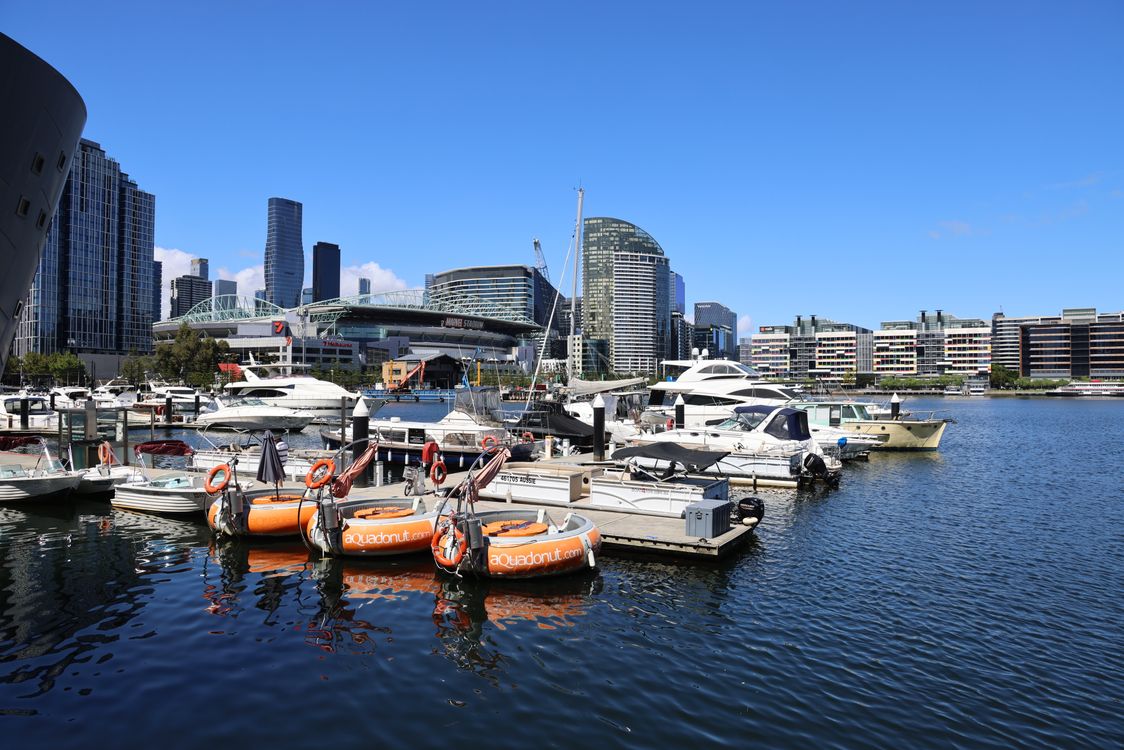
CBD and Docklands
Central campuses, services and tram connections. Check the Free Tram Zone boundaries around your address.

Carlton
University life, Carlton Gardens and cafés around Lygon Street. Compare the walk or tram journey to your campus.

Fitzroy and Collingwood
Street art, independent galleries and creative businesses. Check the exact street and your return journey after class.

Brunswick
Sydney Road brings together restaurants, independent shops and live music. Check the tram connection to your school.

St Kilda
Beach, waterfront walks and cafés. A bayside address still needs a practical daily connection to your campus.

Footscray and the west
Markets, restaurants from different communities and rail connections. Compare the exact address and travel time.
Getting around the city
Trams, trains and buses in Melbourne
Trains, trams and buses shape the weekly routine. The Free Tram Zone has defined boundaries: a journey outside it should not be budgeted as free. Check the current route and payment options with Victoria’s transport authority, and budget separately for your airport transfer.
A planning tip for Melbourne
When can you travel free on trams?
The Free Tram Zone includes parts of the CBD and Docklands. Tram journeys starting and ending inside it are free. Outside the zone, current myki rules apply. Check the official map before travelling: the boundary matters.
See current myki and Free Tram Zone rules →Illustration only: consult the official map for boundaries and stops.
A packing tip
Melbourne weather: pack layers
These are average-temperature ranges, not extremes or a forecast. Values are retained from the approved guide, sourced to Tourism Australia; Byron Bay uses Cape Byron AWS monthly averages. Check the weather before travelling.
Summer
December–February
14–25.3 °C
Autumn
March–May
10.9–20.3 °C
Winter
June–August
6.5–14.2 °C
Spring
September–November
9.6–19.6 °C
Average-temperature ranges, not extremes: individual days can be colder or hotter. Check the forecast for your dates too.
Source: Tourism Australia · weather in Melbourne →
One city, different plans
Things to enjoy in Melbourne
Explore the laneways, Queen Victoria Market and parks between classes. A Great Ocean Road or Phillip Island trip needs its own time and transport budget. Tennis, Formula 1 and MotoGP visits depend on event dates and tickets; they are not automatically included with a course.
Laneways, art and cafés
Explore central laneways, small cafés and changing street art around Hosier Lane.
A different atmosphere in each neighbourhood
Compare Carlton, Fitzroy and Brunswick with bayside St Kilda, keeping your campus and transport in mind.
Sport, culture and events
Check the current calendar for sport, festivals and music. Major events can affect accommodation and travel plans.
Melbourne in their own words
Ligia’s experience in Melbourne
In this interview on the official Nómadas channel, Ligia Ochoa describes adjusting to English, multicultural life and her work routine in Melbourne. She also discusses the challenges of her first months and the changing weather.
This is a personal account from our Spanish-language archive, not a reference for current prices, learning times or immigration conditions. Its outcomes do not guarantee anyone else’s. You can enable available subtitles in the player.
Trips and ideas for your free time
Things to do in Melbourne and nearby
Plan these outings around your days off, transport and budget. Check current access, weather and return journeys before booking.


Great Ocean Road and the Twelve Apostles
Coastal towns, cliffs and limestone stacks. Visit Victoria’s complete return touring itinerary is about 664 km, not the length of the coastal road. Allow several days and plan stops and accommodation.
Official visitor information →

Phillip Island Penguin Parade
Watch little penguins return at dusk from designated viewing areas. Check times and book ahead. Follow park rules: do not use flash or record during the parade.
Official visitor information →

MotoGP on Phillip Island
The circuit hosts the Australian Motorcycle Grand Prix and other competitions. Check the current event calendar before combining a visit with the island’s coast and wildlife.
Official visitor information →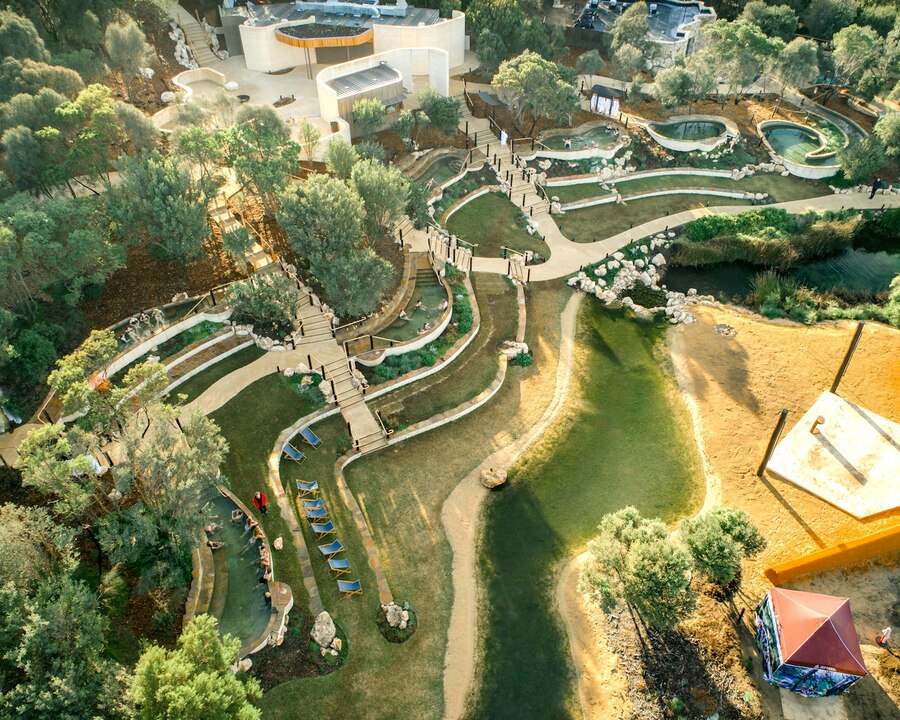
Peninsula Hot Springs
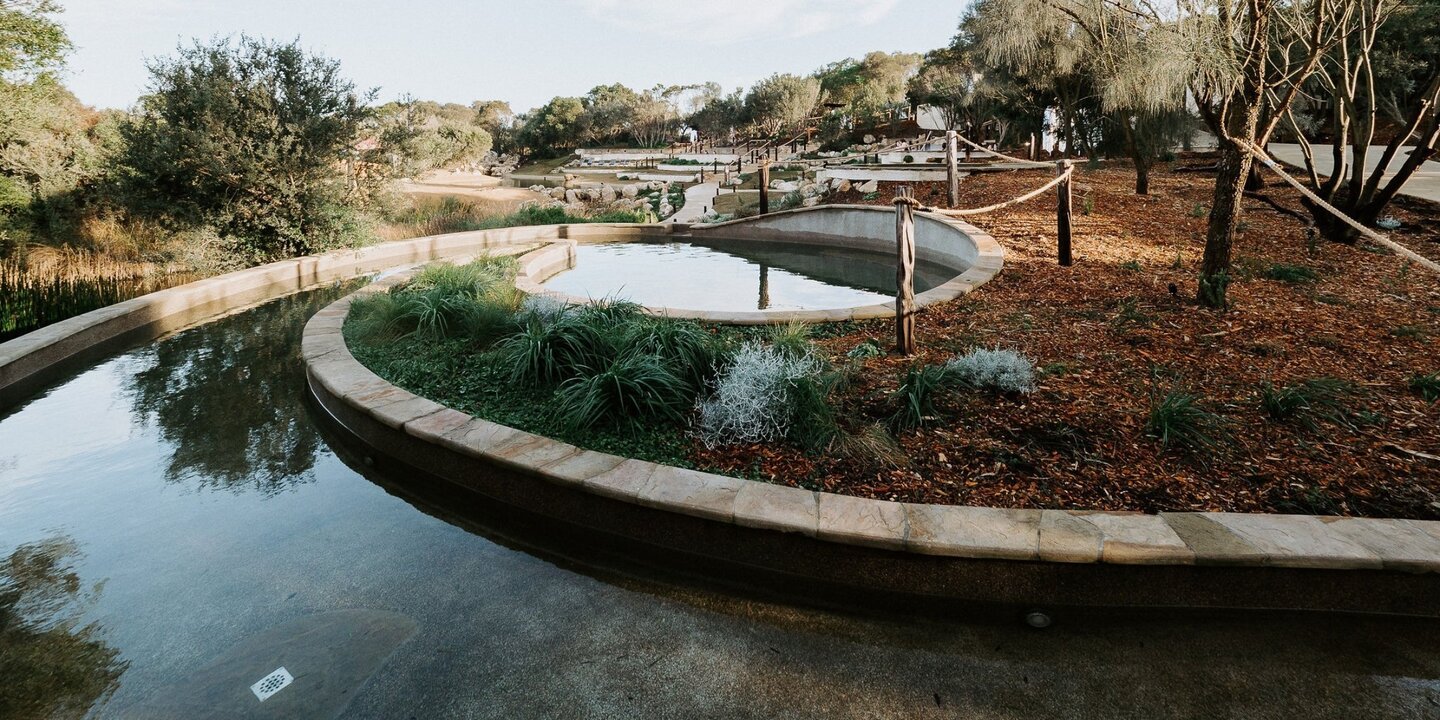
A geothermal bathing complex on the Mornington Peninsula, about 90 minutes from Melbourne. Check available experiences, book and arrange transport before leaving.
Official visitor information →

Grampians (Gariwerd)
About three hours west of Melbourne, Gariwerd combines sandstone mountains, walks and waterfalls. It has deep cultural importance for the Jardwadjali and Djab Wurrung peoples. Check roads and trail conditions.
Official visitor information →
Mount Buller: snow and mountains
Snow sports in winter and walking or cycling in warmer months offer different visits. Check seasonal access, conditions and resort services before travelling.
Official visitor information →Choose outings around your days off and allow time to return before class. Check access, bookings, weather and roads using each destination’s official links.
Useful steps before travelling
Tips for planning your arrival in Melbourne

Confirm your campus and first class
Check orientation, the start date and teaching times with your provider.

Arrange your first accommodation and transfer
Check access at your arrival time and leave time to view rooms before a long-term agreement.
Build your everyday routine
Test the campus journey, organise a phone connection and groceries, and save your adviser’s contact details.
Keep researching
Guides for your next step
Explore more Nómadas information on destinations and planning to study abroad.
Clear answers
Frequently asked questions about Melbourne
How do I choose a course in Melbourne?
Compare learning goals, entry requirements, campus, timetable, dates and total fees. Ask for a proposal matched to your level.
Is the accommodation price guaranteed?
No. The figures are planning assumptions. Location, room type, included bills and dates change the price.
Can I fund everything through work?
Do not depend on immediate employment. Plan funds for study, arrival and living costs, and check your visa conditions.
Which neighbourhood should I choose?
Start with your campus address and test the trip at the right time of day. Compare total costs rather than rent alone.
Do I need English before travelling?
The required level depends on the course and your circumstances. Ask for the provider’s assessment and criteria before booking.
Does Nómadas charge for its guidance?
Agency guidance is free for the student. Tuition, insurance, fees and other third-party costs are separate.
Your next step
Would you like to study and work in Melbourne?
Tell us what you want to study, when you would like to travel and what you need to compare. A Nómadas adviser can help you organise the available options.
Sources and editorial team
Nómadas editorial team. We prepare guides to help you compare study options, destinations and preparations. This guide combines official resources with planning advice; it does not replace a school’s assessment or individual immigration advice.
Content updated: . Prices, availability, access and conditions can change; confirm the information relevant to your trip.
- Study Melbourne: budgeting
- Home Affairs: Student visa
- CRICOS: courses and providers
- Transport Victoria: maps
- RMIT: living and arrival costs
- Fair Work: workers with visas
Want to discuss this guide or prepare your plan? Contact Nómadas. You can also meet our community and check the events calendar.