


Start your Nōmadas experience
The world is too big to stay in your comfort zone.
We're with you from the start until you land in your new life

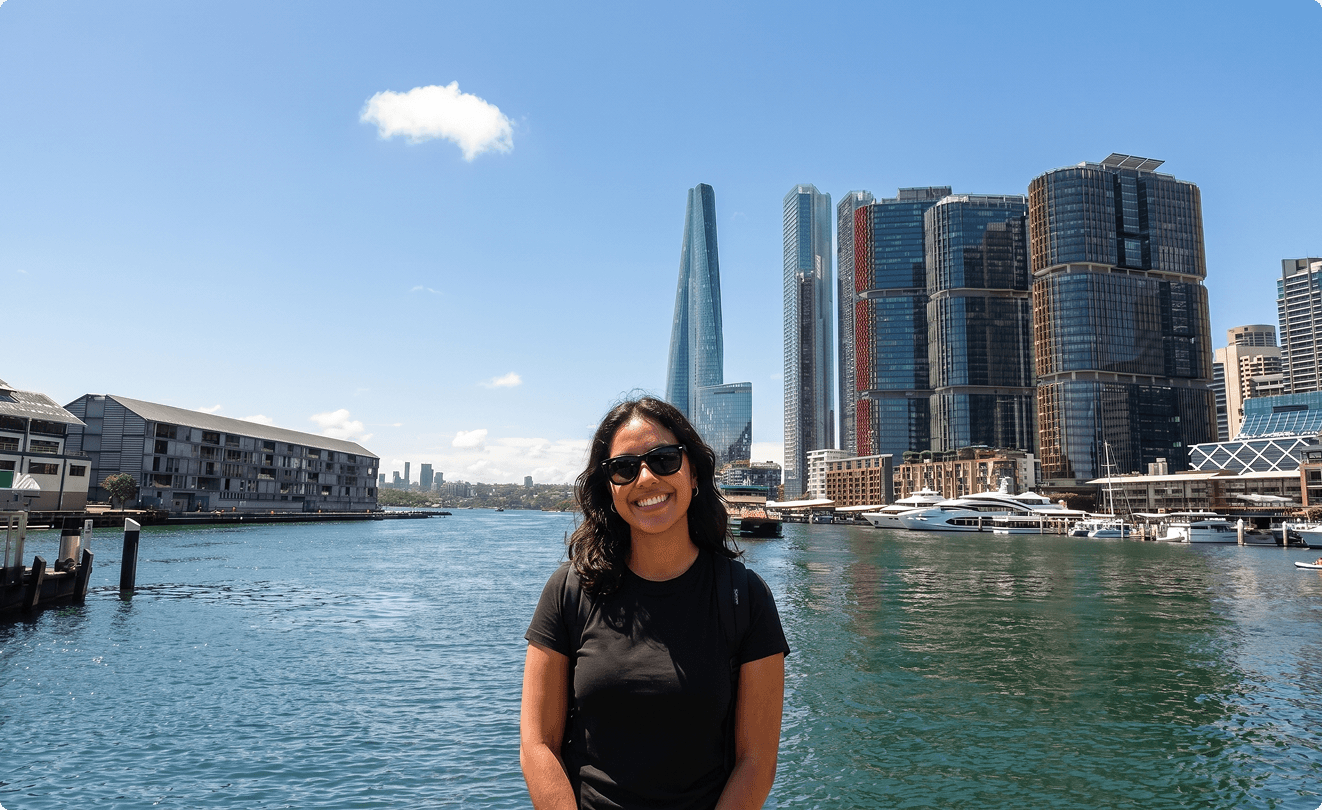
The stages of your process

Personalized advice

Admission to your chosen institution

Help with the visa application and issuance

Farewell in your country
Welcome at your destination
Live an experience that helps you grow



English course
Improve your English in an immersive environment, combining educational quality with cultural experiences for international students.
We help you choose what to study and where










Renew your visa stress-free
Don't put your experience on hold. We guide you step by step so you can keep studying and living at your own pace
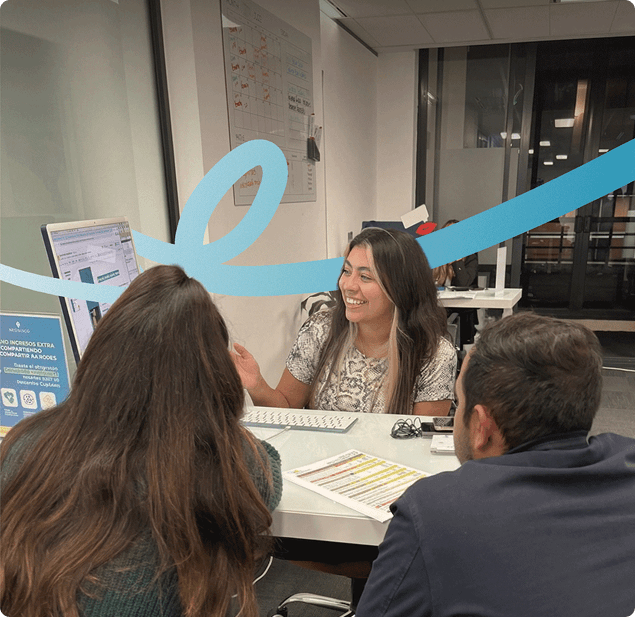
We sit down to understand your situation
We review your current immigration status, how long you've been at your destination and what options are available to you.
You can come to our offices or do the consultation remotely.

We choose the option that suits you best
There's more than one way to stay.
We help you find the institution and program that best fits your life plans, not just your visa requirements.

We prepare your immigration file
We gather and review every required document.
We take care of the paperwork so you don't miss out because of a formal error or a missed deadline.

We apply for your new visa
We submit your application to the immigration authorities.
We track the process and keep you informed at every stage.
What you need to know
We're both! We started out as an agency specializing in international education and grew into a real community. We don't just handle your paperwork: we connect people, experiences and stories. When you travel with us, you're never alone. You become part of our global community.
Because to us you're not a case number, but a person with a real plan. What sets us apart is genuine support: from the first contact, our Guides are with you every step of the way, until you land and settle into your new life. Plus, our guidance is 100% free for you.
Not at all! In fact, that's part of what we do. If you don't have a date or destination in mind yet, our guides will look at your profile and budget to recommend the option that best fits your goals.
Of course! In fact, it's the ideal time to start. An international project takes planning: savings, visa paperwork, choosing a school. You don't need an exact date today to get guidance and advice. Our guides will help you organize your timeline, project your budget and find the perfect window for you.
When you land, we welcome you with a Welcome Session at our offices (in person or online). There we hand you your Welcome Pack, explain how the city works (transport, housing, work, supermarkets), help you open your bank account, give you your first local phone number and introduce you to other students who have just arrived, like you.
We know this is one of the most important points. That's why we run exclusive workshops where we teach you to adapt your CV to the local format, prepare for interviews, apply for your work permits (TFN/ABN) and connect with our network of contacts and job opportunities within the community.
Always! We post our events on social media and WhatsApp groups all the time. You can join whenever you want and, even better, bring your friends or family. You don't need to be a Nōmadas student to connect with the community and meet new people.
Yes! Many students choose to stay longer once they're there. Our guides will be with you again to renew your visa and choose the course that best fits your new stage.
Your experience, step by step
Turn your idea into a plan you can follow
Separate choices from confirmations
A study journey involves decisions that progress at different speeds. You may have chosen a city while still comparing programmes, or received a proposal without confirmed admission. Record your current stage so a preference is not mistaken for a completed step.
Use three columns: decided, still to confirm and who can clarify it. Include the complete programme name, campus, duration and dates. When a major element changes, review its consequences before making further payments or bookings.
Prepare your part of the process
Define what you want to learn and explain your educational and employment background. Describe your language level using the information available and ask how the institution assesses it. Prepare questions before each conversation and keep proposal versions so changes are easy to compare.
Organise costs into payments before travel, arrival expenses and recurring living costs. Keep the currency and actual programme dates with each figure. Income you do not yet have should not be treated as money available for an initial payment.
Identify who confirms each step
The institution confirms academic requirements, availability and admission. Other providers have their own service conditions, and authorities decide the applications within their responsibilities. Ask your proposal to identify who handles each part and what confirmation you will receive.
Support helps you organise these conversations, but an application is not an approval. If an answer is provisional, identify what remains outstanding. That makes it easier to prepare alternatives without treating an expectation as a confirmed outcome.
Prepare for arrival and your next stage
Before departure, save your first accommodation address, school contact and arrival instructions somewhere available offline. Check when and where academic activities start and how to arrange the welcome meeting applicable to your destination.
After settling in, review what is working and what needs adjustment. If you want another course or further study, begin with your educational aims and the conditions relevant to your circumstances. Keep the study choice, provider obligations and any required immigration assessment distinct.
How many weeks of English do I need, and can I continue with another course?
Duration depends on your starting level, goal and practice time. A placement test helps with planning, but nobody can guarantee a particular level in an exact number of weeks.
If you want to progress to vocational or university study, request a pathway with entry and progression requirements. Enrolling in multiple courses and any future visa application must be assessed for your circumstances.
How much does it cost to study in Australia or another country?
There is no single price: totals vary by country, city, programme, duration and accommodation. Use the same dates and check every item when comparing proposals.
Include tuition, enrolment and materials; health insurance; permit fees; flights; initial accommodation and deposit; transport, food and an emergency reserve. Request prices in the original currency and check how long the quote is valid.
Can I pay for the course in instalments?
Some institutions offer payment schedules, but availability and amounts depend on the programme and provider. Your guide can help compare the conditions in each proposal.
Before confirming, check the deposit, due dates, currency, possible surcharges and what happens if you change your start date. Instalments do not remove other financial requirements for your permit.
Are scholarships or discounts available for studying abroad?
Availability depends on the school, programme, offer and your profile. Ask about current promotions or scholarships and their requirements before comparing the final price.
Check what they cover, the deadline and the conditions for keeping them. A course promotion does not mean the visa, insurance, flights or accommodation are included.
How should I arrange accommodation for my first days?
Arrange initial accommodation before travelling and compare its location with your school and transport. A temporary booking can give you time to explore the city before signing a longer contract.
Check what the price includes, the deposit, cancellation terms and the provider's identity. Do not assume accommodation is included with your course; ask for it to be stated explicitly in the proposal.
What happens to my payments if I cancel or my visa is refused?
Refunds depend on each school, insurer and contracted service's conditions, as well as the reason and timing of cancellation. Not every payment follows the same rules.
Before paying, request the cancellation policy, non-refundable costs, required documents and refund deadlines in writing. If an issue occurs, contact your guide and keep receipts and communications.
How can I compare two study proposals?
Put the proposals side by side for the same study period and record the course, campus, duration, timetable and start date. Separate academic charges from other items and identify what is included and what remains unconfirmed. If one offer uses a different calendar, ask for that difference to be explained before comparing only the totals.
Add your priorities: the learning goal, the time you have available and the budget you can support. Keep each proposal version and bring specific questions to your guide. An option may have an attractive price while still being unsuitable for the programme or dates you need.
What should I prepare for my first conversation with a guide?
Start with what you would like to study, the destinations you are considering and the period when you could travel. Explain your previous education and what you know about your language level. If some points are still open, say so; you do not need to invent a date or a preference to begin the conversation.
Make a short list of the decisions you want to resolve first. At the end, summarise which alternatives you will review and which information is missing. Use the appropriate private channel for personal documents; an initial enquiry does not require publishing your details in comments or groups.
What should I do if my preferred dates or destination change?
Explain what changed and identify the proposal you mean. A new date may affect the course intake, planned payments or reservations you have considered. Ask for the related parts to be reviewed before assuming all previous conditions remain available.
Distinguish an alternative you are exploring from a confirmed change. Keep responses from the institution and relevant providers with the updated plan. This makes it easier to see what has been resolved and what still needs a specific confirmation.
How can I organise my first days without overloading my arrival?
Begin with the essentials: how to reach the accommodation, where your academic activities start and which contact to use if you need the instructions clarified. Keep that information accessible while travelling. Allow time to rest and become familiar with the journey to school.
Then add community activities and explore the city according to your timetable and budget. You do not need to settle every decision in the first week. Separate confirmed appointments from optional plans and review each activity’s details before joining.