



Study and live in Toronto
Want to study in Toronto? Compare university and higher education options, campuses, accommodation and your budget with support from Nómadas.
By Nómadas editorial team · Updated on


Context for your decision
What is it like to live and study in Toronto?
Toronto combines diverse neighbourhoods, cultural activities and a transport network of subways, streetcars and buses. When studying, living close to campus rather than relying on several transfers makes a daily difference.
The metropolitan area is extensive. Before choosing accommodation, check whether it is in Toronto or another city in the region and which operators serve the journey. Not every route works like a simple urban trip.
It may suit you if you want an urban experience with varied neighbourhoods, cultural activities and opportunities to practise English in everyday life.
Compare your study options →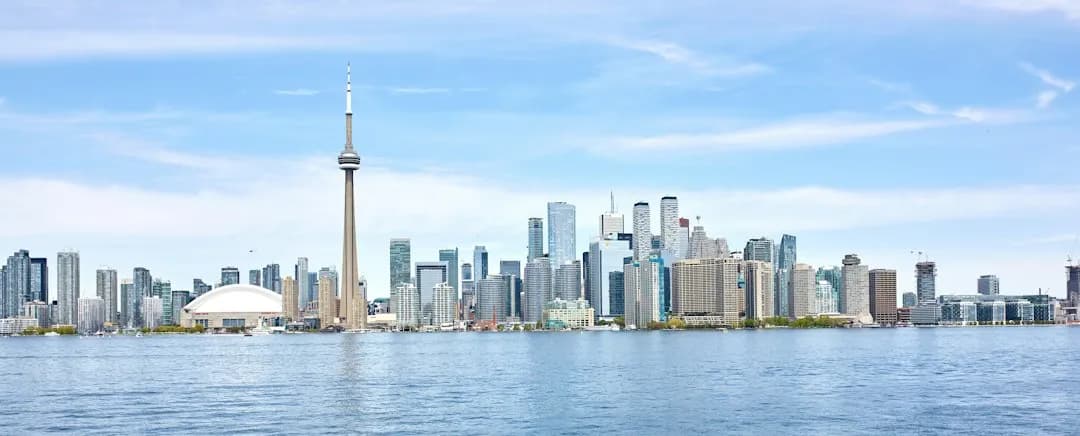
Choose with clear goals
What you can study in Toronto
University and postgraduate study
Start with your subject area, academic requirements and admission language. Compare the duration, qualification, campus and total programme cost.
Other higher education
Check the qualification each college or institution offers, its requirements and how it fits your background. Institutions and programmes do not all have the same immigration conditions.
Language preparation
English or French can help you reach the entry level. A language course does not guarantee admission, employment or permission to work off campus.
| Your goal | What to compare | What to confirm |
|---|---|---|
| Study for a degree or postgraduate qualification | Qualification, campus and curriculum | Admission, language and annual cost |
| Consider working after graduation | Specific institution and programme | PGWP eligibility and current IRCC requirements |
| Improve your language skills | Entry level and academic goal | Admission and work permission separately |
Plan the steps
Requirements for studying in Toronto
STEP 01
Course and admission
Confirm acceptance by the school and that the programme fits your level, goal and dates. Keep the acceptance letter and cost breakdown.
STEP 02
Study authorisation
Check with IRCC whether you need a study permit and which documents apply to your nationality, programme and duration. Also confirm entry requirements.
STEP 03
Funds and insurance
Prepare the required financial evidence and suitable health cover. Your living budget and the amount required for immigration purposes are different things.
STEP 04
Arrival and accommodation
Arrange transport from the airport shown on your ticket and organise key collection. Do not confuse Pearson with Billy Bishop when planning your arrival.
Check the official requirements for Canada and continue planning with our guide to studying in Canada.
Plan in Canadian dollars · CAD
How much does it cost to study and live in Toronto?
The total depends on your programme, accommodation and duration. Compare the full cost and payment schedule; request a proposal for your dates and campus.
Higher education tuition
Depends on programme and academic year
Request a quote for the specific qualification: international tuition, compulsory fees, insurance, materials, deposit and payment schedule. A weekly English-course price does not represent the cost of a degree or postgraduate programme.
Accommodation and meals
Depends on the arrangement
Compare accommodation near campus with rooms connected by subway or streetcar. Ask about heating, internet, laundry and minimum stays; compare monthly rents over the same length of stay.
Utilities and phone
Check what is included
Check electricity, heating, water, internet and mobile data. If they are included in your accommodation, do not count them twice.
Transport
Depends on your route
Being a student does not automatically mean paying less. Check the requirements for each fare or pass and the operators you will use.
Everyday life
Your weekly spending
Separate groceries, eating out, laundry and leisure. In a homestay, confirm which meals are covered each day of the week.
Arrival and unexpected expenses
A separate fund
Include flights, insurance, fees, transfers, accommodation deposits and initial expenses. Keep a buffer available before travelling.
Guidance for preparing your quote, reviewed on 15 October 2026: IRCC · preparing and choosing an institution. We do not publish a university fee without identifying the qualification and academic year. Ask the institution for the confirmed amount.
Separate study and work permission
Working while studying in Toronto
Studying only English or French does not authorise off-campus work. Other eligible programmes allow up to 24 hours per week during classes if you meet all IRCC and permit requirements.
Permission to work does not guarantee a job. Prepare your initial budget without relying on income you do not yet have.
See official work conditions →Campus first, address second
How to choose accommodation in Toronto
Compare accommodation near campus with rooms connected by subway or streetcar. Ask about heating, internet, laundry and minimum stays; compare monthly rents over the same length of stay.
01
Locate your campus
Compare exact addresses and class timetables.
02
Try the journey
Check both journeys on a class day, including walks and transfers.
03
Read the contract
Confirm the deposit, duration, bills, visitors and cancellation terms.
04
Verify the offer
Verify the accommodation, identity and terms before transferring money.
Compare areas as well as prices
Neighbourhoods and areas of Toronto
01 · AREA
Downtown
Services, cultural activities and transport connections come together here. Compare noise, room size and the walk to school.
02 · AREA
The Annex
This area sits beside the university district and Bloor Street. Explore its neighbourhood life and subway connections.
03 · AREA
Kensington Market and Chinatown
These areas are known for shops and varied food. Visit at the time you would normally come home, too.
04 · AREA
Waterfront and outer areas
Living beside the lake and living farther from downtown are different choices. Work out the actual journey before choosing based on a photograph.
These are starting points for comparing journeys and lifestyles, not a ranking of neighbourhoods by safety or price.
Getting around the city
TTC: subway, streetcars and buses
TTC operates Toronto’s urban network. Regional and airport services may have different conditions. Check the planner, fares and service alerts before travelling.
Official routes, fares and notices →Your daily journey
A tip for Toronto
Being a student does not automatically mean paying less. Check the requirements for each fare or pass and the operators you will use.
- 01Accommodation address
- 02Actual start and finish times
- 03Campus, transfers and return journey
A packing tip
Climate in Toronto: prepare your trip
Toronto has distinct seasons. Prepare suitable clothing for winter cold and summer heat; when choosing accommodation, consider heating, ventilation and how far you will walk to public transport.
Summer
June–August
16–24 °C
Autumn
September–November
7–14 °C
Winter
December–February
−6–0 °C
Spring
March–May
3–11 °C
Seasonal guidance: average monthly lows and highs from WeatherSpark, converted to °C and rounded. These are neither extremes nor a forecast.
Source: WeatherSpark · climate comparison of Canadian cities →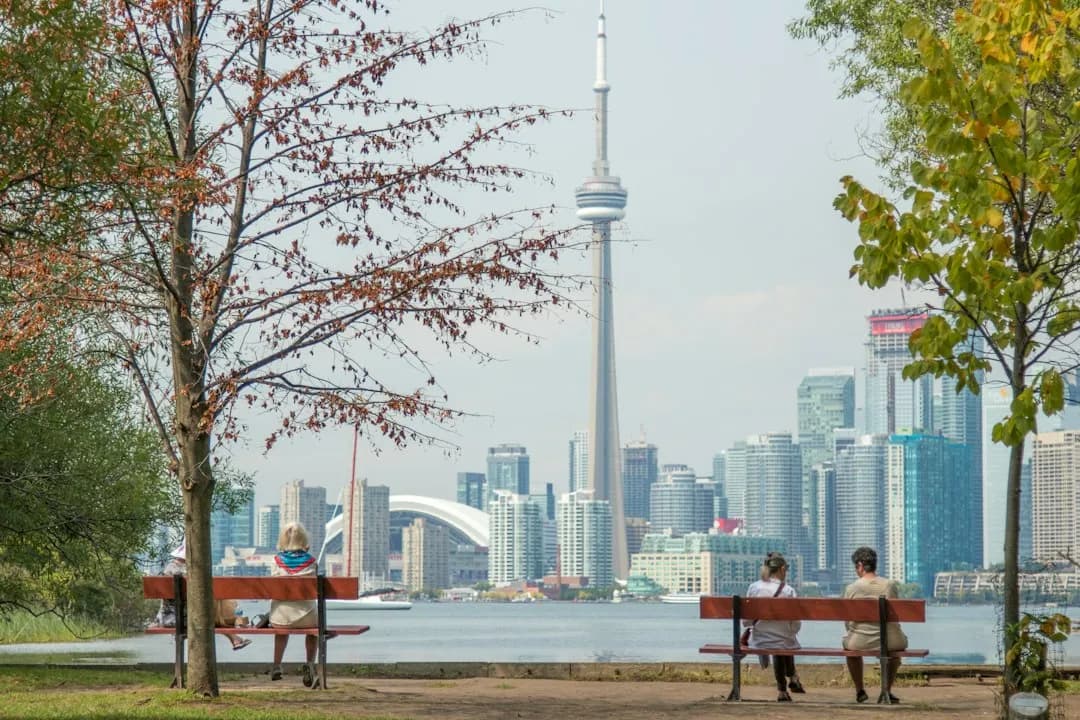
One city, different plans
Life after class in Toronto
01 · LOCAL LIFE
Neighbourhood walks
Alternate walks through The Annex, Kensington Market and Chinatown to discover different sides of the city.
02 · LOCAL LIFE
Life beside the lake
The waterfront offers a change of pace from downtown. Wind and temperature affect your plans.
03 · LOCAL LIFE
Culture and events
Museums, venues and events can complement your classes. Check calendars, admission and applicable discounts.
Ideas for your free time
Things to do in Toronto and nearby
Waterfront and Toronto Islands
Combine lakeside walks with a trip to the islands when services and weather allow. Check the ferry before you go.
Museums and downtown
Make time for cultural activities during the week; not every outing requires leaving the city.
Niagara
Plan a trip with return transport and enough time. Check which visits require tickets or reservations.
Plan trips around your days off, weather and transport. Check access and reservations with Destination Toronto · neighbourhoods.
Useful steps before travelling
Your arrival in Toronto

Keep essentials handy
Keep travel documents, your accommodation address and the school’s contact details available offline.

Arrange your first night
Arrange transport from the airport shown on your ticket and organise key collection. Do not confuse Pearson with Billy Bishop when planning your arrival.
Try the route in advance
Before your first day, check how to get to campus and where to buy essentials. Ask about your school’s welcome activities.
Keep researching
Toronto or another city in Canada?
Start with the general guide to Canada and compare these cities based on your studies and lifestyle.
Studying in Vancouver
It may suit you if you want to study English and enjoy coastal walks and nature alongside city life.
Explore the guide →Studying in Montréal
It may suit you if you are interested in French, Québec’s culture and a city with different language environments to explore.
Explore the guide →Studying in Calgary
Calgary may suit you if you are looking for a city in Alberta and want to spend some of your free time in nature.
Explore the guide →Read more about Toronto
This guide helps you choose a city and organise your studies. These articles in Spanish cover specific topics in more detail; check the dates of their references before budgeting.
Clear answers
Frequently asked questions about Toronto
Is Toronto a good choice for a first experience in Canada?
It can be if you enjoy city life and plan your course, accommodation and journeys in advance. Consider winter and your budget as well.
Can I live outside downtown Toronto?
Yes, but compare the address and complete journey, including any regional operators you may need.
Do all students get a TTC discount?
Do not assume so. Discounts depend on the category and its requirements; check the current conditions with TTC.
Can I work while studying in Toronto?
A language course alone does not authorise off-campus work. Read the Work section and the official conditions applicable to your programme.
How do I calculate my budget for Toronto?
Add course fees, accommodation, everyday expenses and arrival costs in CAD. Always compare the same number of weeks and check included meals, utilities and supplements. Do not rely on a future job to pay for the trip.
Is advice from Nómadas free?
Yes, Nómadas advice is free for students. School, accommodation, insurance, flights and fees have separate costs. Request a proposal detailing each item.
Your next step
Would you like to study in Toronto?
Tell us your language level, dates and what you would like to study. We help you compare available options and organise the cost of your experience.
Sources and editorial review
How we prepared this guide
Nómadas editorial team · Reviewed on 15 October 2026. We checked requirements with the authorities and local information with operators and providers. The schools mentioned illustrate available courses and public fees; programme availability is confirmed in your proposal. Photos show the city or surroundings identified in their descriptions.
- IRCC · French and Express Entry outside Quebec ↗
- IRCC · study permit ↗
- IRCC · off-campus work ↗
- IRCC · designated institutions and PGWP eligibility ↗
- IRCC · preparing and choosing an institution ↗
- TTC: subway, streetcars and buses ↗
- Destination Toronto · neighbourhoods ↗
- WeatherSpark · climate comparison of Canadian cities ↗