Before you start
Offered a trial shift in Australia? Learn when it must be paid, what employers may assess and what to ask before a café, bar or kitchen trial.
You sent your CV and received the message: “Can you come in for a trial?”. Before saying yes, establish what will be assessed, how long it will take and whether you will be paid.
An unpaid trial can only be a brief, necessary demonstration of skills for a job, under direct supervision. Work beyond what is reasonably necessary to assess those skills must be paid. Calling a shift a trial does not automatically make it unpaid.
When a trial may be unpaid, and when payment is required
Fair Work’s guidance on unpaid trials requires the demonstration to relate to the job and last only as long as necessary. “Direct supervision” is one of its conditions. There is no universal two-free-hours rule and no compulsory unpaid first shift.
| Situation | What it means | What to check |
|---|---|---|
| Skills demonstration | A brief, necessary assessment under direct supervision | Tasks and duration are limited to demonstrating relevant skills |
| Work shift | You contribute to operating the business beyond the necessary demonstration | The trial label does not remove the obligation to pay |
| Probation | An initial period within an employment relationship | Paid employment, not weeks of free trials |
An employer needing a longer assessment can employ and pay you under an appropriate arrangement. Fair Work distinguishes probation at the start of employment from a pre-employment skills demonstration.
What a café, bar or kitchen may ask you to demonstrate
Tasks depend on the vacancy. These examples help you prepare; they are not permission for an employer to obtain unpaid work or a promise about every trial.
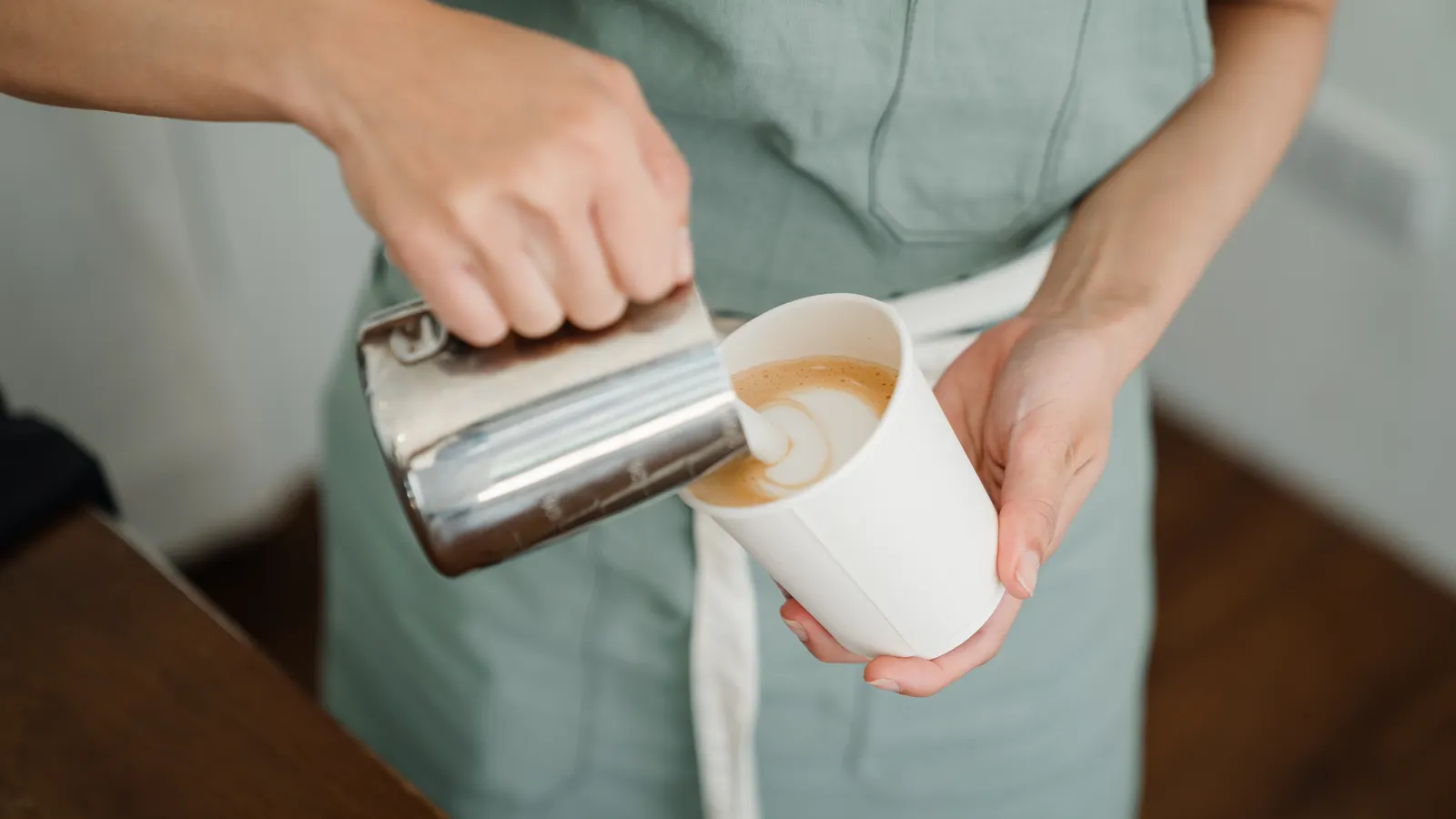
- Barista: interpret an order, make an espresso, texture milk or demonstrate station cleaning. Ask for an explanation if the machine is unfamiliar.
- Bartender: identify equipment, follow a venue recipe or explain how you would request ID. Where the role requires RSA (Responsible Service of Alcohol training), confirm your accreditation is accepted in that state.
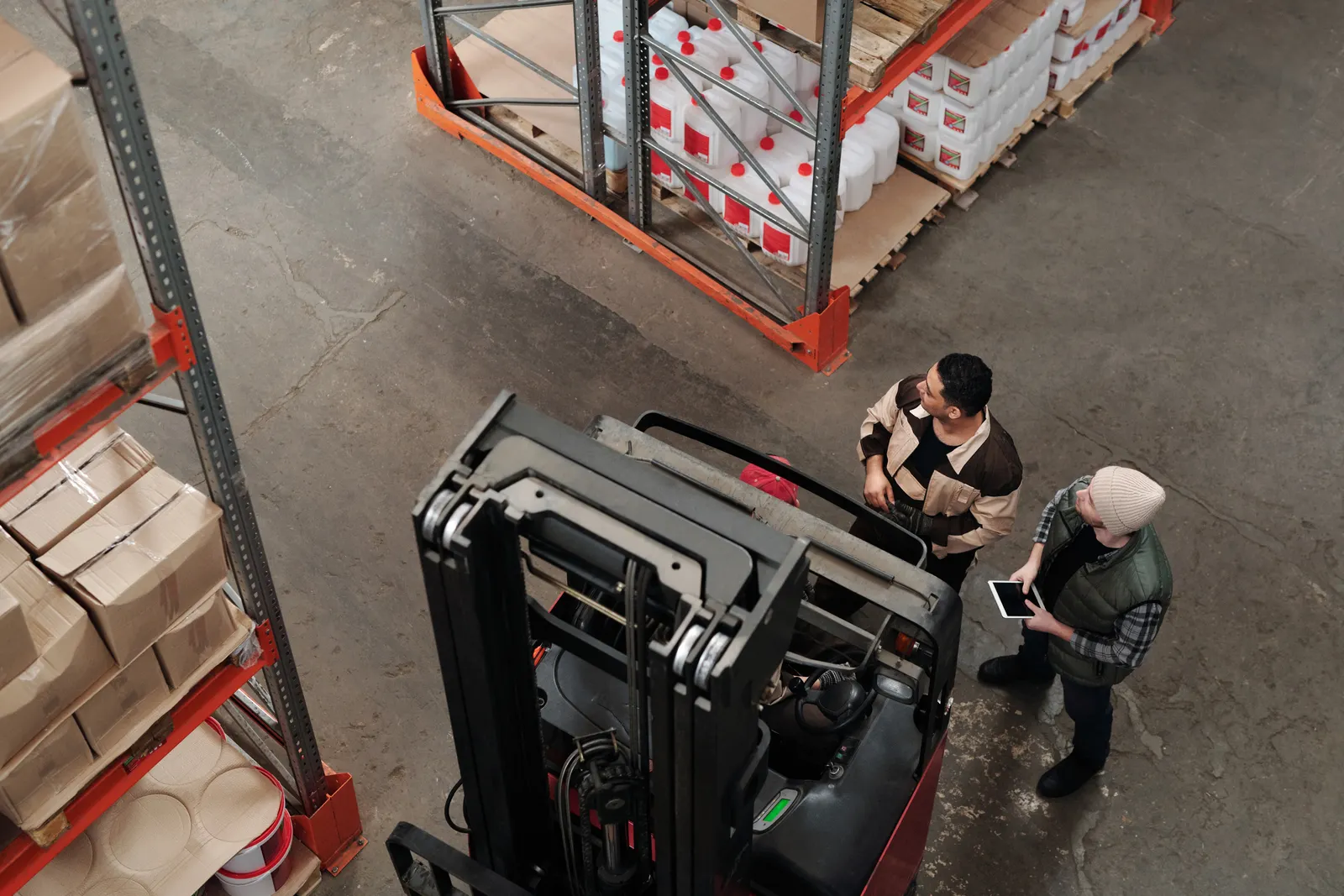
- Kitchen hand: follow instructions, organise utensils, demonstrate a hygiene routine or explain task separation. Ask about equipment, chemicals and protective equipment before using them.
For example, check the official RSA requirements in New South Wales. A cocktail course does not replace required RSA. A trial is not a reason to operate unfamiliar equipment without instructions.

Five questions to ask before attending
- Which skills will you assess, and for which vacancy?
- Who will supervise the whole demonstration?
- When does it start, and how long is it expected to take?
- Is it an unpaid demonstration or a paid shift? How will any extension be paid?
- What clothing, footwear, certificates or documents should I bring?
There is no need to apologise for asking. Keep the reply and record the venue and contact’s name. If you are still preparing applications, explore our five student job options and their requirements.
Three examples that show the difference
A specific demonstration. A manager watches you prepare two drinks to assess a necessary skill, then ends the assessment and discusses the vacancy. This might qualify as unpaid if all conditions are met. The number of coffees alone does not decide whether it is lawful.
A demonstration becomes service. After showing the task, you are left serving orders while the manager does something else. That is no longer a brief demonstration under direct supervision. Ask them to clarify the change and payment for additional work.
Several afternoons to “see how you go”. You are asked to return repeatedly to cover normal business activity. Extended assessment should be arranged as paid employment. Agreeing to an arrangement does not remove workplace rights.
These are illustrative scenarios created for this guide. To assess your own circumstances, tell Fair Work exactly what you did, for how long and with what supervision.

Preparing for the day and responding to changes
- Arrive with enough time and confirm who you should report to.
- Listen to the complete instruction and repeat the important details.
- Ask for a demonstration if you do not understand or do not know the equipment.
- Record start and finish times and changes in tasks.
- Before continuing beyond the arrangement, clarify duration, supervision and pay.
A useful sentence is: “Could we confirm the pay arrangements before I continue?”. Our English guide for café, bar and kitchen work has more phrases for seeking help and checking instructions.
If you receive an offer, compare casual and part-time employment: rate, hours, classification, breaks and your course timetable. The trial and the employment offer are separate conversations.
Visa hours and help with unpaid work
Calling an activity a trial, or leaving it unpaid, does not put it outside visa conditions. Work and certain unpaid work experience can count. Check VEVO, the system for checking your visa conditions, and official student visa information rather than treating a trial as extra hours outside your limit.
If you believe work that should have been paid was not, keep messages, dates, hours, tasks, names and payment records. You can request an explanation in writing and seek Fair Work’s assistance for visa holders. Workplace rights can exist without a signed written contract.
Fair Work’s video explains unpaid work and the distinctions that matter when assessing an arrangement.
Frequently asked questions
Is the first work trial in Australia always unpaid?
No. An unpaid trial must meet the conditions for a brief, necessary and supervised skills demonstration. A productive shift does not become free because it is called a trial.
How many unpaid trial hours are allowed?
There is no universal number. The duration must be reasonably necessary to demonstrate the skill. Task complexity and supervision matter; this is not automatic permission for a whole shift.
Must I be paid if I do not get the job?
If you performed work that required payment, an unsuccessful application does not remove that entitlement. A valid unpaid demonstration is assessed using different criteria.
Is probation paid?
Yes. It is an initial period of employment with the applicable pay and rights. It is different from a brief skills demonstration before employment.
What if I do not know the equipment?
Be honest about your experience and ask for instructions on the specific equipment. Do not improvise with machinery, chemicals or tasks you cannot perform safely.
What evidence should I keep?
The invitation, agreed conditions, actual hours, tasks, supervision and follow-up messages. These help you describe what happened accurately.
Does a trial guarantee a job?
No. It is part of recruitment. Confirm there is a vacancy and that the assessment conditions are clear before attending.
Photography: Chloe Leis, Sebastian Coman Photography, quan le / Unsplash.