Before you start
Australia is discussing changes to its proposed Working Holiday ballot. What the 16 November reports say, what remains unconfirmed and how to plan.
If you are counting regional work days or planning your trip, Working Holiday headlines can change your outlook in an instant. Talks are taking place on how the reform would operate; the sources reviewed do not confirm a reversal or new caps.
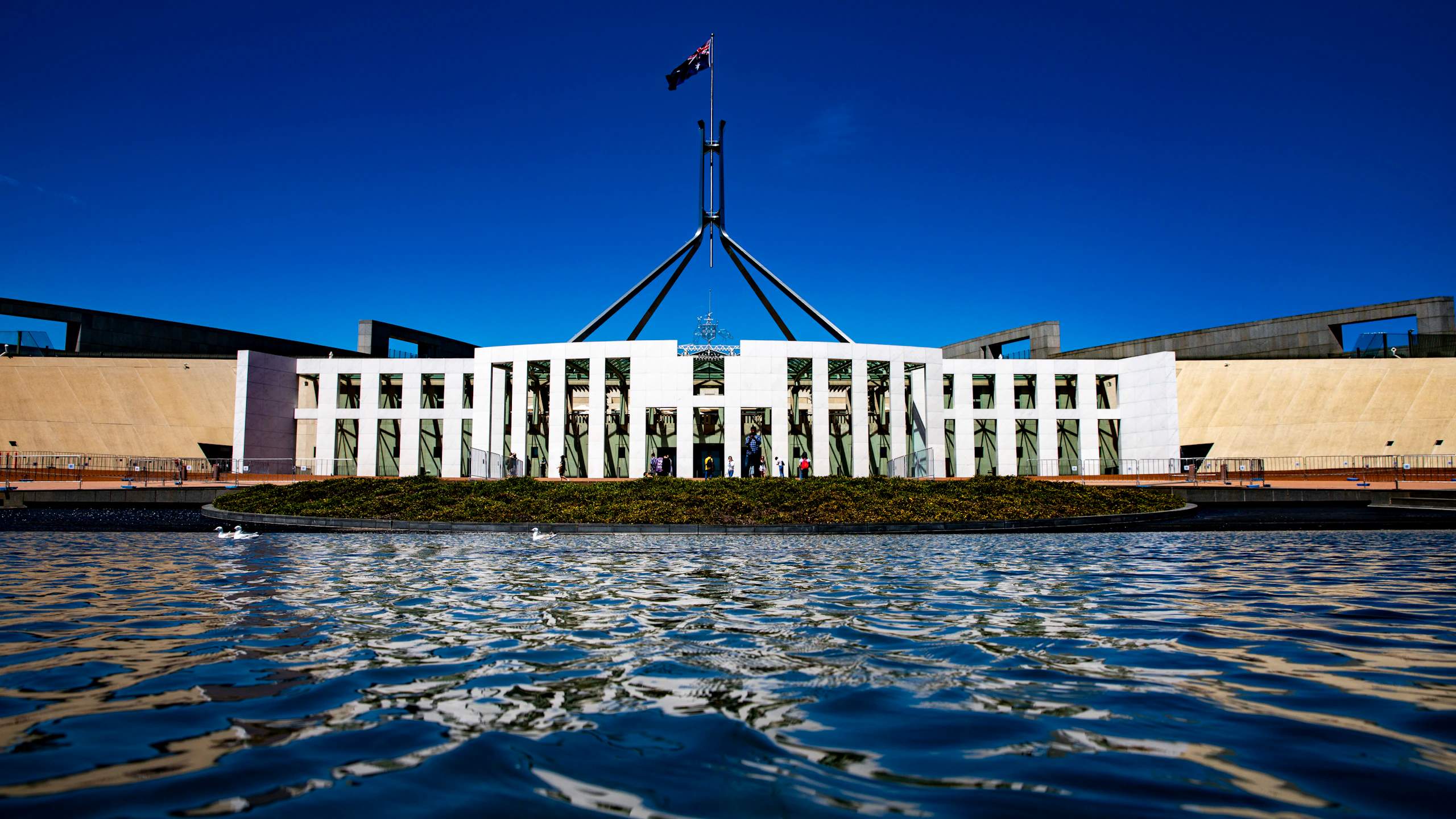
The ABC Radio National update of 16 November 2026 brings the issue back into focus: farmers hope for a compromise and Tony Burke is open to adjustments. Negotiations remain the story.
What the latest reporting says
ABC published an interview today with Michael Guerin, chief executive of the National Farmers Federation, about possible government concessions. Its summary describes farmers’ concerns about labour availability and food security. You can listen to the 6-minute, 37-second segment.
The dates matter: this update is from 16 November; Burke’s statements supporting the review date from Friday 13 November. This is not a new rule announced today.
What Burke confirmed and what remains unresolved
At his 13 November press conference, Burke confirmed industry consultations and openness to implementation changes. He maintained the objective of reducing numbers and did not confirm a ballot delay.
“We are very close”.
Tony Burke
The minister said discussions had not concluded. For your planning, the distinction matters: negotiating a change does not mean you can already apply under new conditions.
The ballot, caps and regional work: what is being discussed
The 17 September announcement proposed a ballot for second- and third-year visas, with 45,000 and 5,000 places respectively. Completing the required work would qualify someone to enter; it would not guarantee a visa.
A QTIC statement on 13 November recounts reports of a delay until February, 25,000 third-year places and four to six months of regional work. The organisation itself says these changes are unconfirmed.
| Topic | Status | What needs confirmation |
|---|---|---|
| Second- and third-year ballot | Proposal announced in September | Final design, start date and transition |
| Possible delay until February | Media report | Official announcement with a date |
| More third-year places | Different figures in reports | Final cap |
| More regional work | Under discussion | Duration, activities and affected applicants |
There is also a discrepancy: ABC’s 13 November report mentions a possible 20,000 third-year places, while QTIC cites 25,000. Neither is a final cap. The reports also do not establish that the familiar 88-day requirement has already been replaced.
Why farming and tourism are pressing for changes
For regional businesses, the debate affects preparation for summer. QTIC wants the ballot removed, certainty for people already in Australia and recognition of regional tourism work. These are industry requests, not newly granted entitlements.
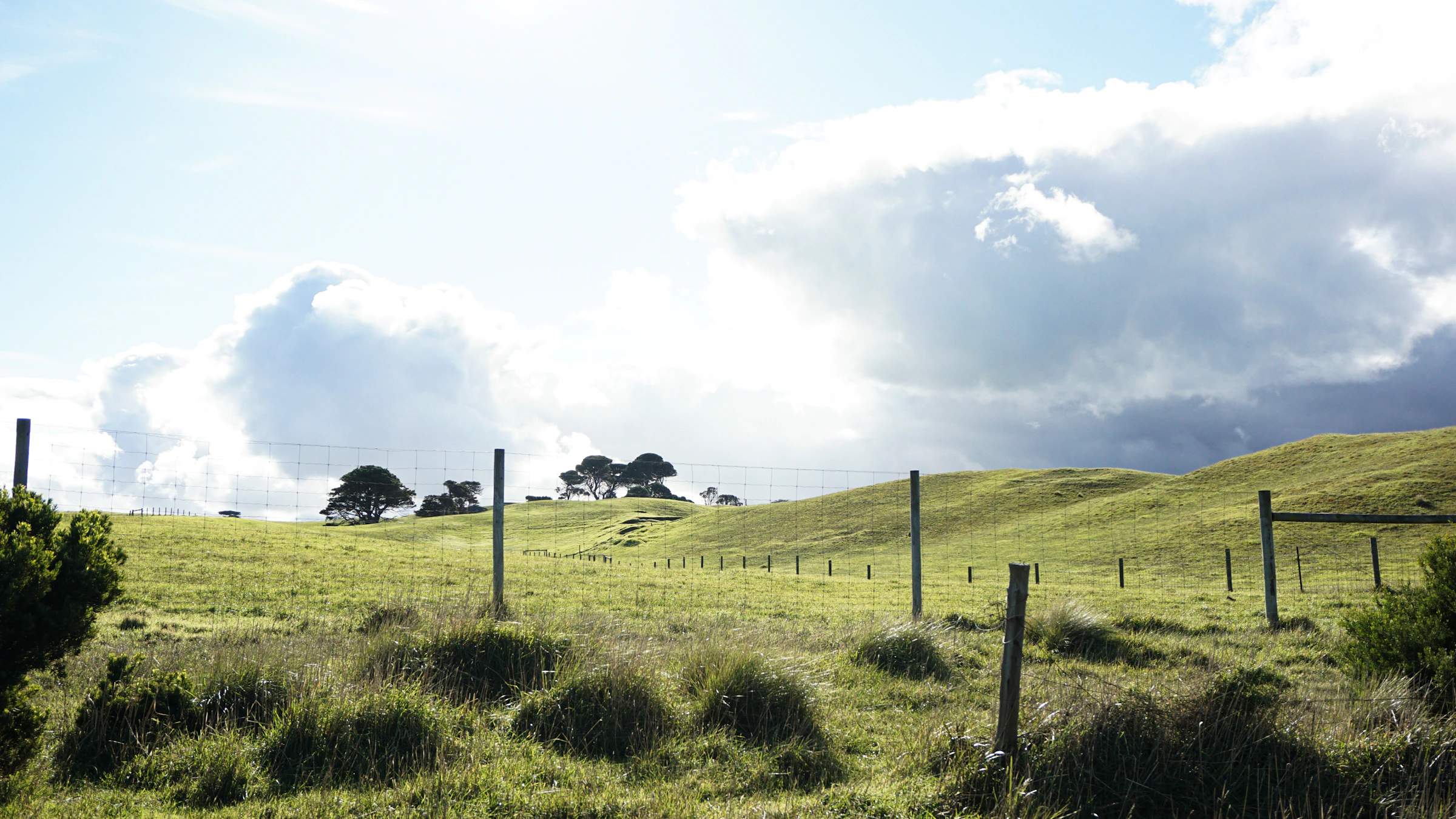
Longer regional work requirements could have two implications for travellers: more time in one area, while selection for another visa could remain uncertain. That makes the complete design important before rearranging work, accommodation or travel.
What to check at your stage of the journey
If you have not applied for your first visa
Separate these second- and third-year negotiations from country caps for a first Work and Holiday 462 visa. Availability depends on your passport; an extensions headline does not prove that your country’s applications are open or closed.
If you are completing work for a second or third visa
The second Work and Holiday 462 page still lists three months of specified work and six months to become eligible for a third visa, alongside other requirements. Check eligible activities and locations for your subclass: 417 or 462. A job outside a capital city does not automatically count.
If you have already lodged an application
A news story does not replace a communication about your case. Home Affairs’ program updates explain that you can track your application and respond to information requests in ImmiAccount. The department also recommends waiting for a grant before making travel, work or study commitments.
For everyday employment decisions, compare casual and part-time work and check when a work trial must be paid. These guides explain employment issues; they do not establish whether a job qualifies as specified work.
If studying in Australia is also part of your goal
Choose a pathway around what you want to do and its own requirements. Working Holiday news does not turn a student visa into an automatic extension or guarantee that you can change visas within Australia.
If you want to improve your English, start with your current level and how you will use it. Our guide to English for cafés, bars and kitchens highlights practical situations you could focus on while learning.
Nōmadas can help you compare courses and organise a study plan. Individual immigration eligibility questions should be reviewed with an appropriately authorised professional.
Frequently asked questions
Has Australia cancelled the Working Holiday changes?
The sources reviewed do not confirm a cancellation. The Government is negotiating implementation adjustments.
Has the ballot officially been postponed until February?
Burke’s statement did not confirm that timetable. February appears in media reports that still need an official announcement.
Will there be 25,000 third-year places?
That is not an approved cap. Reports have also mentioned 20,000; the discrepancy means a final announcement is needed.
Have 88 days already become six months?
These reports do not establish that change as a current rule. Check specified work for your subclass and the visa year you would apply for.
Does this decide whether I can apply for a first Work and Holiday 462 visa?
No. First-visa availability by country is checked separately from the proposed second- and third-year arrangements.
Will people already in Australia be exempt?
That requires transition rules. Industry requests to protect those already in the country are not a granted exemption.
Photographs: Marcus Reubenstein (cover) and Josh Summerfield (rural landscape), Unsplash. Marcus Reubenstein · Josh Summerfield